
If you or someone you are with may be experiencing signs of alcohol poisoning, immediately call 911 and seek emergency medical care. Alcohol poisoning can be fatal if not treated correctly, and the earlier you seek treatment, the better the chance of survival will be. To prevent alcohol poisoning, experts recommend consuming no more than 1 drink per hour and knowing your limits. Alternating between alcoholic and non-alcoholic beverages can help. If you’re concerned about alcohol addiction, seeking early treatment can help prevent long-term health risks and complications.
What are the short-term effects of alcohol poisoning?
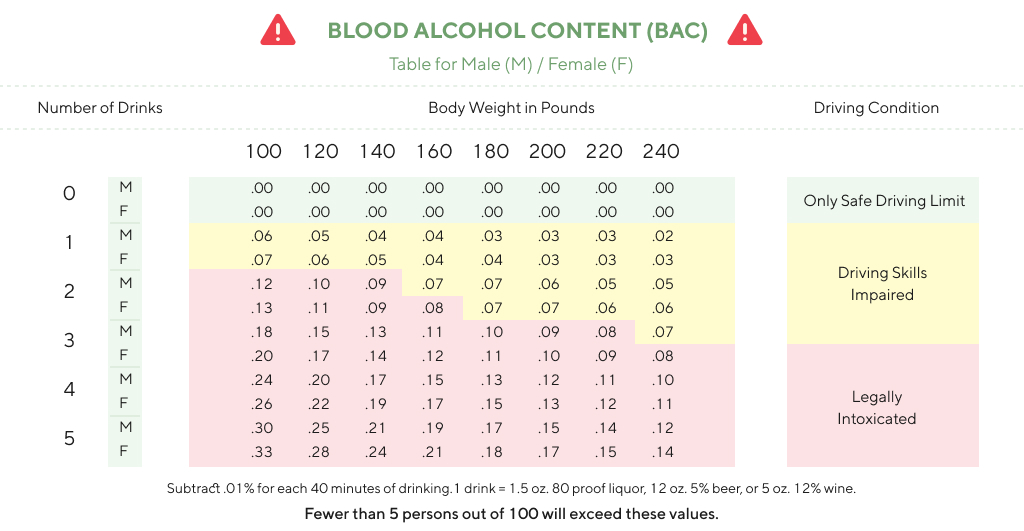
While beer potency is lower, requiring more volume to achieve intoxication, concentrated liquors above 30% can irritate your stomach and slow absorption. Your drinking pace and total amount consumed matter more than beverage type; rapid consumption of any alcohol type can lead to poisoning. If you or a friend are drinking, pay attention to signs of alcohol intoxication how much you consume and how quickly. If a friend appears to be drinking too much too fast, try to intervene and limit how much more they have. Other names for alcohol poisoning include alcohol overdose and ethanol toxicity.

Body size
Yes, alcohol poisoning can be life-threatening if not treated quickly. It can result in slowed breathing, heart failure, coma, or even death. Prompt medical intervention is critical to avoid permanent damage or a fatal outcome. The amount of time someone has drug addiction treatment alcohol poisoning is contingent on a few factors, like their body and how much alcohol was consumed.
Is There Medication for Alcohol Poisoning?
- Learn how to treat a cut finger at home and when to seek medical attention.
- This is a mechanical way of filtering waste and toxins from the blood.
- This acute form of alcohol intoxication overwhelms the body’s ability to metabolize and eliminate alcohol, resulting in a range of harmful physiological effects.
Because alcohol can temporarily lower inhibitions, the individual may keep drinking despite warning signs, which accelerates the risk of alcohol poisoning. Moreover, certain factors like drinking on an empty stomach, mixing alcohol with other drugs, or having preexisting health conditions can amplify the toxic effects of binge drinking. Alcohol poisoning, also commonly referred to as an alcohol overdose, is a serious and life-threatening consequence of consuming large amounts of alcohol in a short period of time. In severe alcohol poisoning, life-threatening changes to body temperature regulation and skin manifestations signal essential physiological deterioration. When thermoregulatory failure occurs, your body loses its ability to maintain core temperature, leading to dangerous hypothermia. Immediate medical attention must be sought as this condition can be fatal.
- In reality, you have no way of knowing how high their BAC might continue to climb.
- It’s not just a “bad hangover”—it’s a medical emergency that requires immediate intervention.
- In any case, it’s unlikely that the paramedics or hospital team will call the police.
- The mainstay of treatment remains supportive measures, such as ensuring the person’s airway is open, and that they remain hydrated and stable.